Dog Beds
Rest & Recovery The Right Dog BedChanges Everything Ours come in orthopedic, bolster, elevated, and wooden-frame styles, so every pet gets a place to land soft. Sizes run from teacup pups to Great Danes. They sleep most of their lives away. Adults get 12 to 14 hours a day, and seniors get...
The Right Dog Bed
Changes Everything
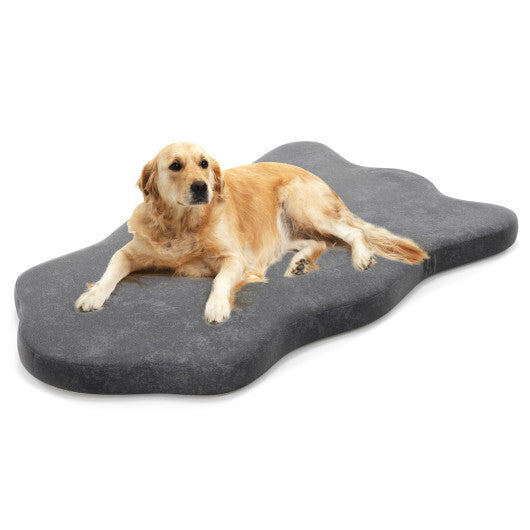
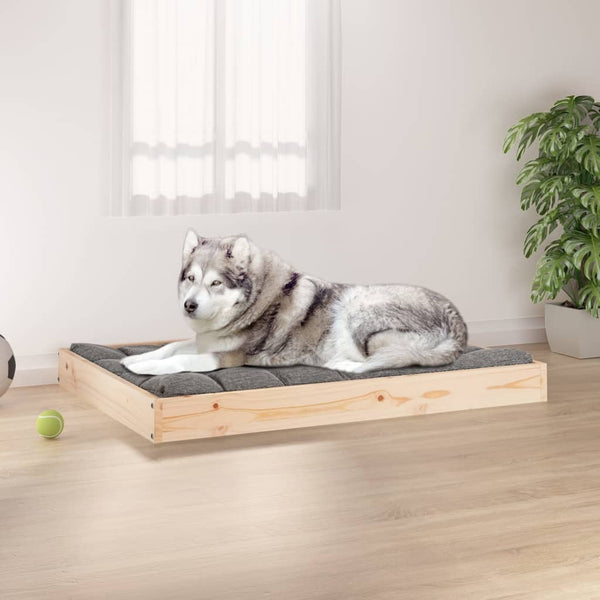
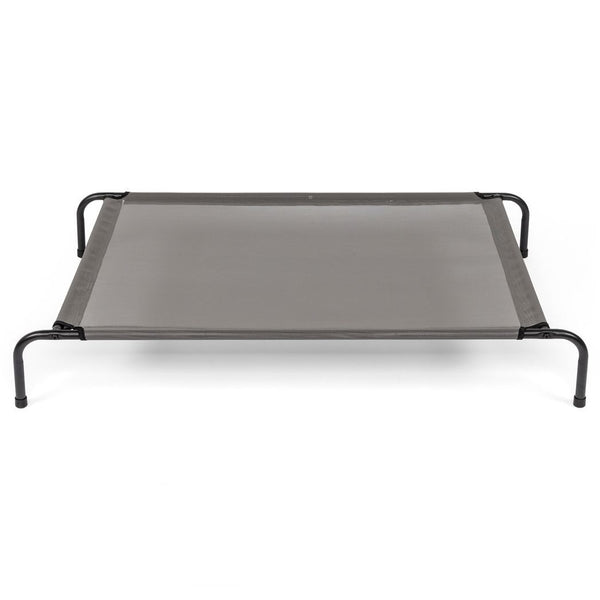
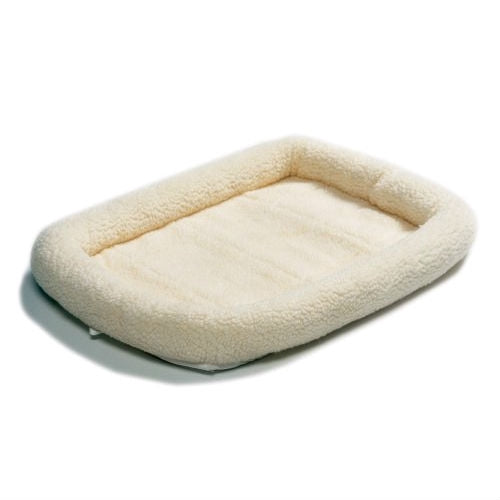
Ours come in orthopedic, bolster, elevated, and wooden-frame styles, so every pet gets a place to land soft. Sizes run from teacup pups to Great Danes.
They sleep most of their lives away. Adults get 12 to 14 hours a day, and seniors get even more. So the one you buy is basically their second home.
Get it right and they'll sleep like a rock. Get it wrong and they're right back on your couch.
From orthopedic dog beds to calming bolsters, there's a match for every kind of sleeper.
Sized from teacup pups all the way to Great Danes.
Every Good Bed Does Three Jobs
The one your dog actually uses pulls off three things at once. It supports their joints, it fits their full stretched-out length, and it washes clean without a fight. Skip one and it's just furniture.
Which Bed For Which Dog
Dogs sleep in patterns. Match it to the pattern and they settle in a lot faster.
Get Your Dog To Actually Use It
If they're ignoring a new bed, it just doesn't smell like theirs yet. Four quick moves fix that.
Dog Bed FAQs
What size dog bed do I need? +
Measure your dog from nose to tail base while they're standing, then add six to twelve inches for the minimum length. When in doubt, size up. Too big beats too small every time.
Are orthopedic dog beds worth it? +
For seniors, big breeds, or any pup with joint trouble, absolutely. Around one in five dogs over age one has osteoarthritis, and supportive foam takes pressure off the hips, elbows, and shoulders through all those sleeping hours.
What foam density should I look for? +
Three to five pounds per cubic foot is real orthopedic support. Anything under two pounds is soft filler, no matter what the tag says. Aim for at least three inches of memory foam, up to seven for a heavy dog.
Memory foam vs. orthopedic: what's the difference? +
Memory foam is a material. Orthopedic is the goal, meaning even support across the joints. A true orthopedic bed uses a solid, high-density base so it doesn't bottom out under a big dog, instead of loose filling that flattens fast.
How often should I wash a dog bed? +
Every two to four weeks for the cover, and sooner after a muddy day. A removable, machine-washable cover makes that realistic, and a waterproof liner keeps the foam clean in between.
Why won't my dog sleep in their bed? +
Usually it's placement, scent, or size. Move it where they already nap, add a worn t-shirt so it smells familiar, keep it off cold tile, and make sure it's big enough to stretch out. Most settle in within a week.
Do calming beds actually help anxiety? +
For a lot of pups, yes. The raised, soft walls give a sense of enclosure that anxious and burrowing pups find comforting, kind of like a den. It won't fix serious anxiety on its own, but it helps them wind down.
What's the best bed for a dog that chews? +
Go for a tough ripstop cover with a hidden zipper, or an elevated steel-frame bed with no foam to shred. Most chewing happens early from boredom and settles once the bed smells like home.
Washable cover or waterproof: do I need both? +
Ideally both. The washable cover handles surface mess and smell, and the waterproof liner underneath stops accidents and rain from soaking into the foam. Together they roughly double how long the bed lasts.
Also worth a look: our human-size dog beds, big enough to share.
Helpful guides: how often to wash a dog bed, should dogs sleep on the floor, and signs your dog is in pain.