
Cat Litter Box Furniture & Enclosures
Our cat litter box furniture and enclosures hide the whole tray inside a side table, a cabinet, or a bench. Guests see decor, not a plastic pan in the corner.
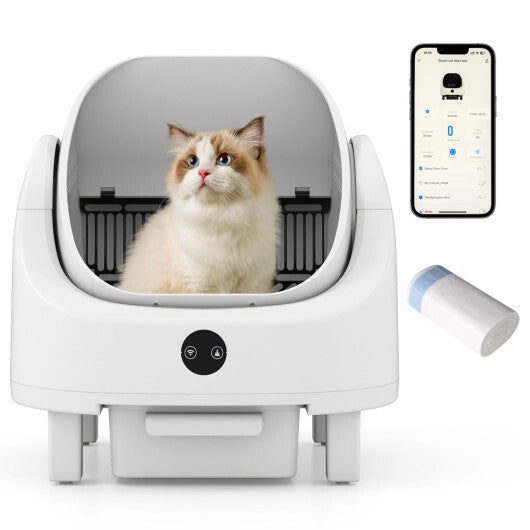
Self-Cleaning Open-Top Cat Litter Box with APP Control for Multi-Cat
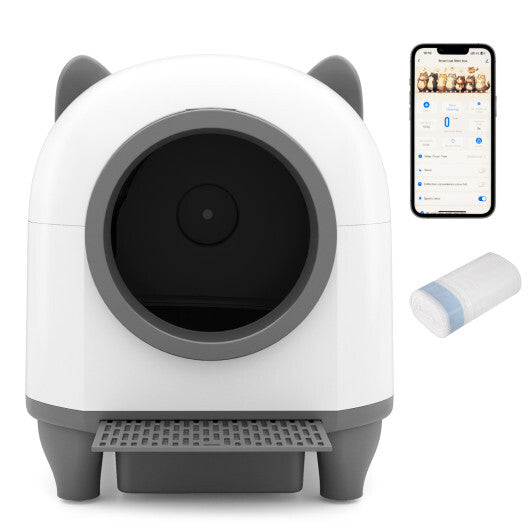
Self-Cleaning Litter Box for Multi-Cat & Senior Cats Home
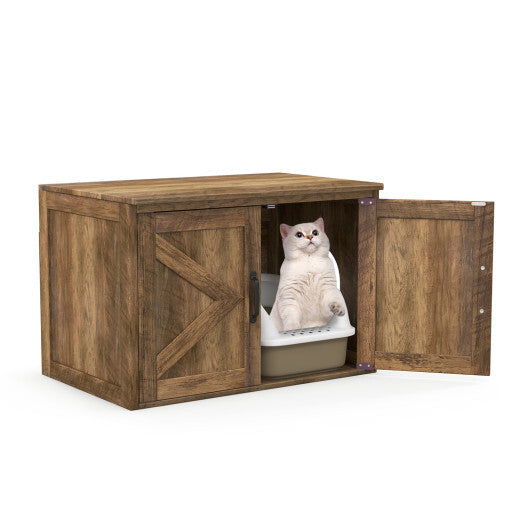
Flip Top Hidden Cat Washroom Furniture with Double Barn Doors and Removable Divider
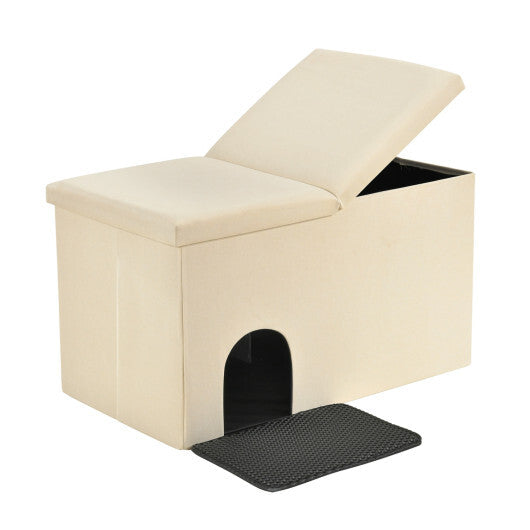
3-in-1 Cat Litter Box Enclosure with Removable & Movable Divider for Pets-Beige
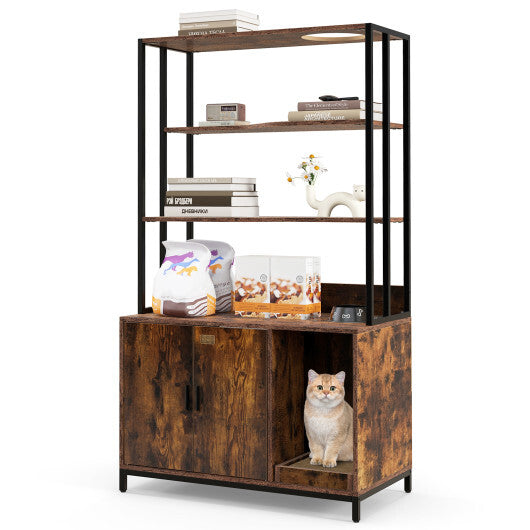
Cat Litter Box Enclosure with Storage and 3-tier Shelves, Rustic Brown
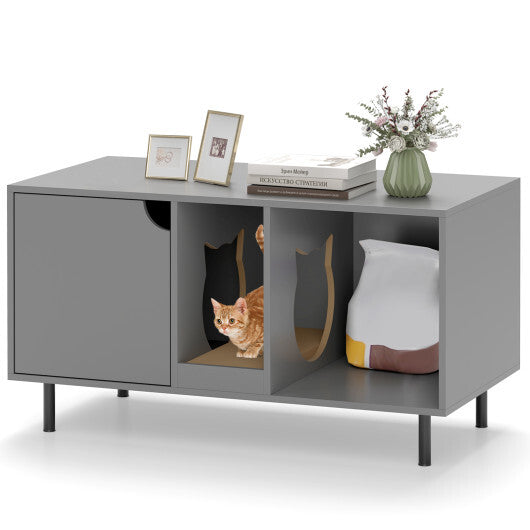
40 Inch Cat Litter Box Enclosure for 2 Cats Hidden Cat Washroom, Gray
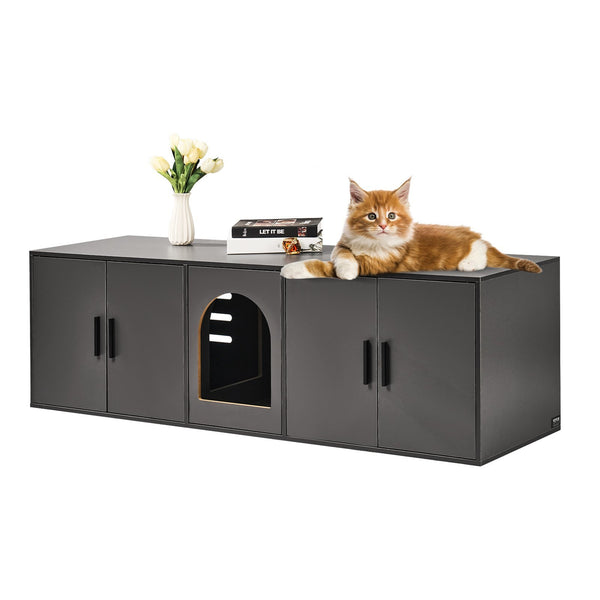
Cat Litter Box Enclosure for 2 Cats, Litter Box Furniture Hidden with Double Rooms, Wooden Cat Box Cabinet Fit Most of Litter Box, 57.9"L x 18.3"W x 17.9"H, Black
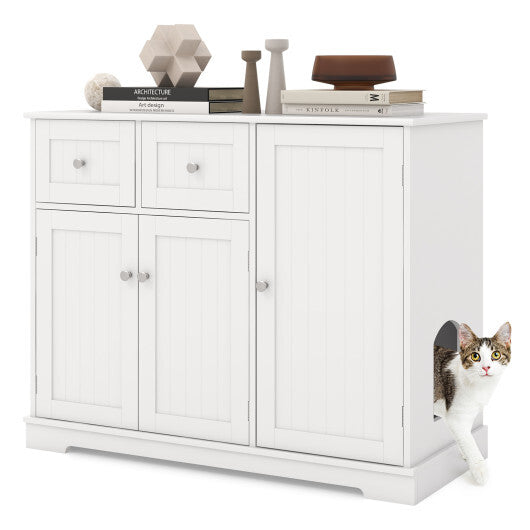
Cat Litter Box Enclosure with 2 Drawers, White
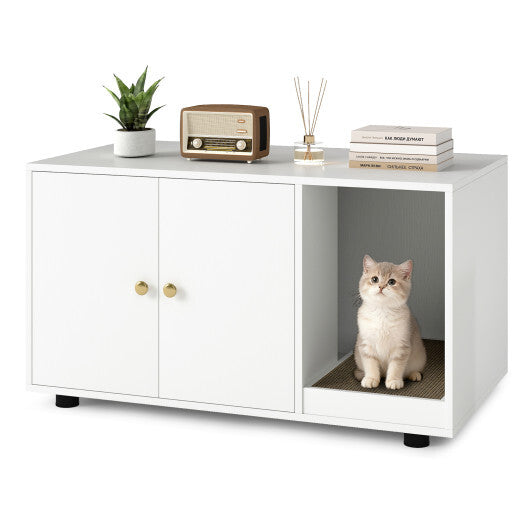
Wooden Cat Litter Box Enclosure Hidden Litter Box Furniture, White
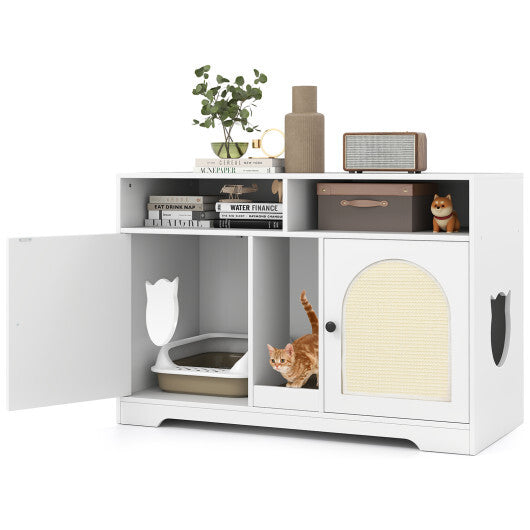
43 Inches Cat Litter Box Enclosure, White
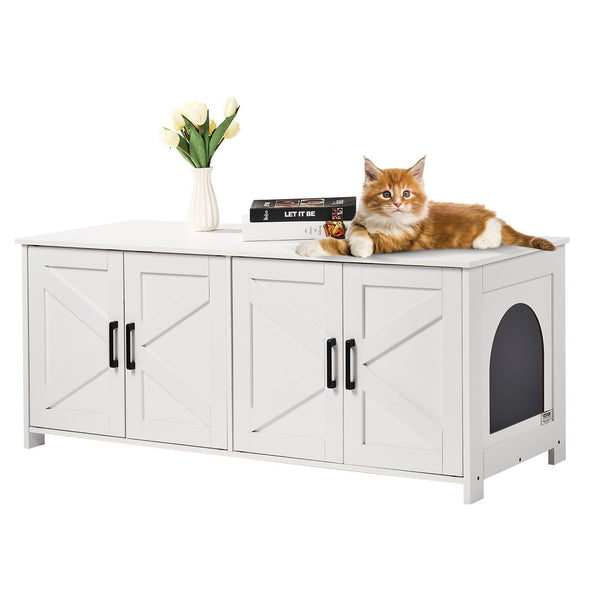
Cat Litter Box Enclosure for 2 Cats, Litter Box Furniture Hidden with Double Rooms, Wooden Cat Box Cabinet Fit Most of Litter Box, 47.2"L x 18.5"W x 19.7"H, White
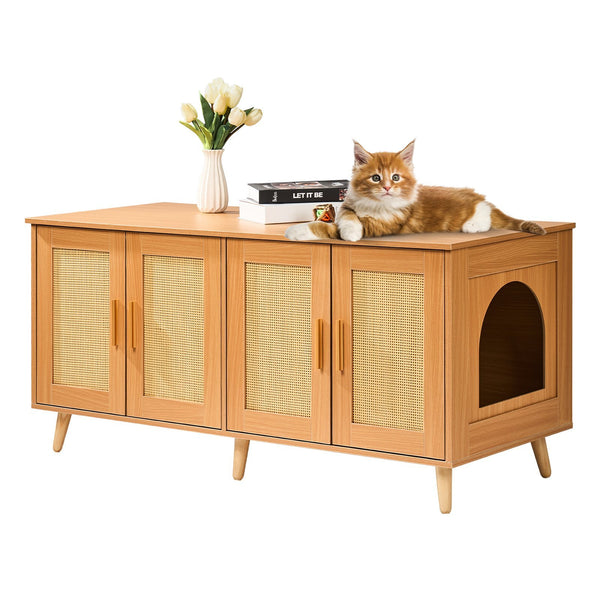
Cat Litter Box Enclosure for 2 Cats, Litter Box Furniture Hidden with Rattan Decorated Doors, Wooden Cat Box Cabinet Fit Most of Litter Box, 47.2"L x 19.7"W x 21.7"H, Natural
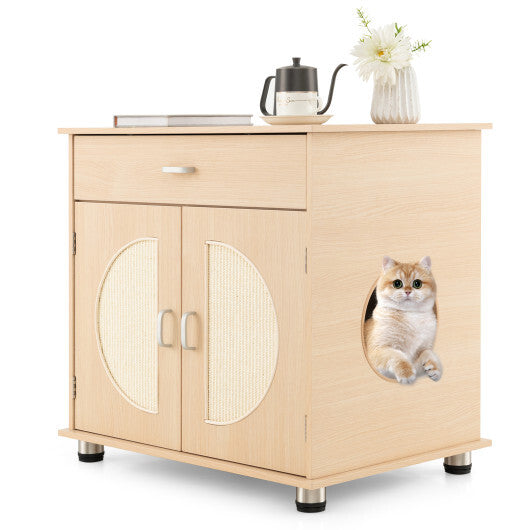
Cat Litter Box Enclosure with Sisal Scratching Doors, Natural
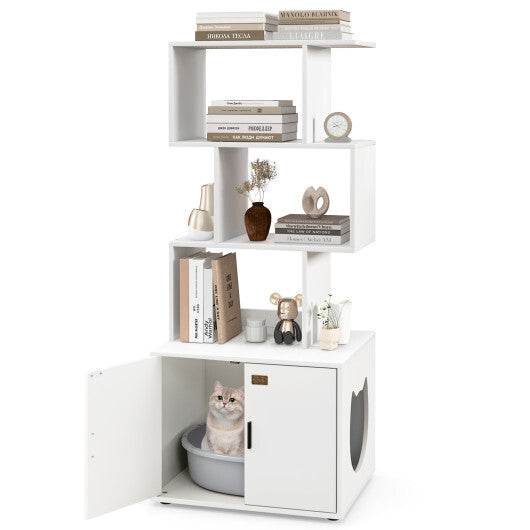
56 Inch Tall Cat Litter Box Enclosure with Storage, White
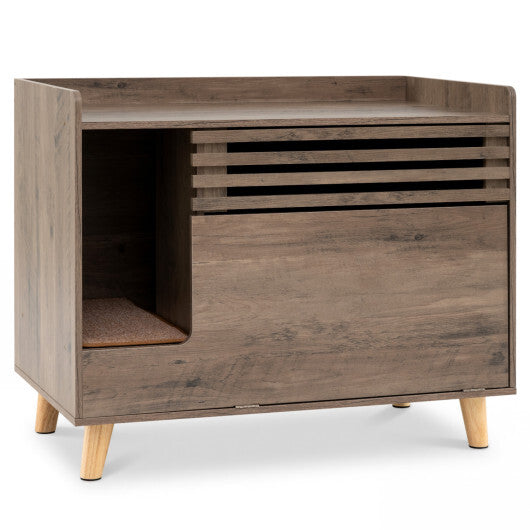
Cat Litter Box Enclosure with Flip-down Opening Door, Brown
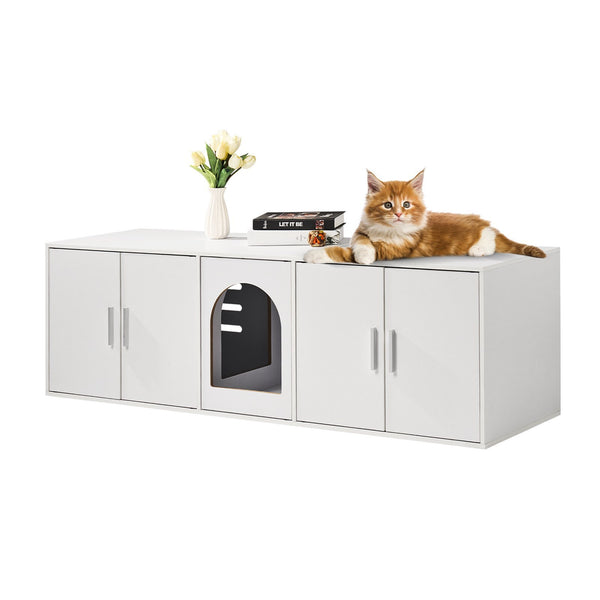
Cat Litter Box Enclosure for 2 Cats, Litter Box Furniture Hidden with Double Rooms, Wooden Cat Box Cabinet Fit Most of Litter Box, 57.9"L x 18.3"W x 17.9"H, White
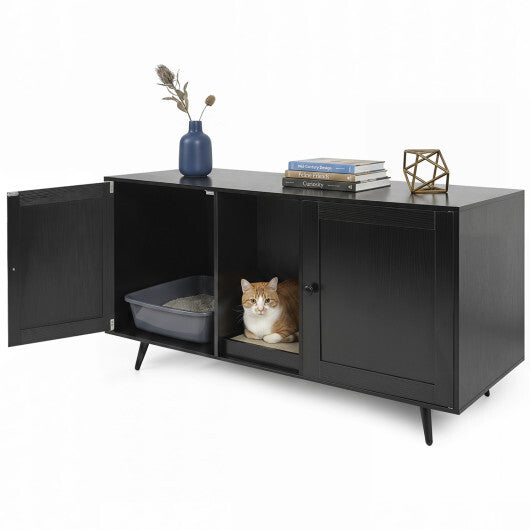
Double Cat Litter Box Enclosure for 2 Cats, Black

Cat Litter Box Enclosure with Divider and Double Doors
Your Litter Box Shouldn't
Be The Centerpiece
Our cat litter box furniture and enclosures hide the whole tray inside a side table, a cabinet, or a bench. Guests see decor, not a plastic pan in the corner.
A tray in the open corner is the fastest way to make a nice room feel like a utility closet. This tucks it out of sight without making your cat give up their spot.
Worried about smell? Read our straight answer first: will a litter box cabinet make the smell worse?
From slim side tables to full cabinets, there's a way to hide the box in any room.
That includes double enclosures sized for two cats and two boxes, flip-down-door cabinets with a scratching mat at the entry, a 56 inch tall enclosure with litter and scoop storage overhead, and a washroom cabinet with double front doors.
A Good Enclosure Does Three Things
The trick is hiding the box from you without making your cat hate it. A good piece stays hidden, stays airy, and leaves plenty of room to turn around and dig.
Why Some Cats Refuse An Enclosed Litter Box
A cat in a box with one exit cannot see who is coming. With two or more cats, the bold one learns to wait by the door, and the shy one learns to use the rug instead. This is ambush anxiety, the most common reason an enclosure fails.
The rule is one box per cat plus one. A double enclosure holds two boxes in separate compartments with separate entries, which covers a two-cat home if a third open box lives in another room. It does not replace the rule. It hides two thirds of it.
If a cat already avoids a covered box, an enclosure will not change its mind. Remove the doors for two weeks, then close them one at a time and watch.
- Two cats: three boxes, at least two of them in different rooms.
- Pick a double enclosure whose entries face different directions.
- Give each cat its own retreat too, like a quiet cat house.
What A Litter Box Cabinet Needs To Survive Daily Use
You will open this cabinet daily for years. Urine will hit the walls and litter will reach the corners. The build has to handle all three without disassembly.
Which Piece For Which Room
Match it to your space and your cat, and it disappears into the room.
Where To Put A Hidden Litter Box
Help Your Cat Make The Move
Change one thing at a time and the switch is almost invisible to them.
Litter Box Furniture & Enclosure FAQs
Does a litter box enclosure make the smell worse? +
Not on its own. Odor concentrates when air cannot move, so a cabinet with two openings smells about the same as an open box in the same room. A sealed cabinet with one small entry holds ammonia until you open it. Ventilation and daily scooping decide the outcome, not the fact that the box is hidden.
Do cats actually like enclosed litter boxes? +
Most do, as long as it's roomy and ventilated. Most complaints about covered boxes come from cramped, stuffy ones. A piece with air gaps, space to turn around, and an easy exit sidesteps all of that.
How many litter boxes do I need? +
The usual guideline is the n+1 rule: one box per cat, plus a spare. One cat, two boxes. Two cats, three. Spreading them across the home prevents one cat from guarding the only tray.
How big should the entry be for a 15 pound cat? +
Plan on an opening at least 8 inches wide and 9 inches tall, with a step-over of 5 inches or less. Maine Coons and similar breeds do better with 9 by 11 inches. A cat that has to duck or squeeze uses the box less, and that shows up as accidents nearby.
Will a large or covered litter box fit inside? +
Measure first. Standard enclosures fit a box up to about 20 by 16 inches. Jumbo boxes at 24 by 18 inches need a large or double model with 26 inches of interior width. Covered boxes need about 18 inches of height, though the cover is rarely needed inside a cabinet.
Top-entry or side-entry, which is better? +
Top-entry cuts tracking and looks cleanest, but it's tough for kittens, seniors, or arthritic cats. Side-entry is easier for every age. Pick based on who's using it, and add a mat either way.
Can two cats share one double enclosure? +
A double enclosure holds two boxes in separate compartments, each with its own entry, so two cats never have to pass each other. The one-per-cat-plus-one rule still calls for a third box elsewhere in the house. Choose a model whose entries face different directions so neither cat can guard both.
Why does my cat refuse to use the enclosed box? +
Usually one of three things: the smell inside is stronger than outside, the entry or step is too tight, or another cat waits by the single exit. Remove the doors for two weeks, scoop twice a day, and watch who goes in. If use does not recover, that cat needs an open box.
How do I cut down on litter tracking? +
The enclosure itself catches most of it. Add a litter mat at the exit, use a lower-dust clumping litter, and keep the tray a couple of inches back from the opening so paws shed grit before they leave.
How do I switch my cat to a hidden box? +
Put the enclosure where the old tray sat, keep the same litter, and leave the door open at first. Most cats adapt within a few days when only the surroundings change and everything familiar stays put.
How do I clean it without taking it apart? +
Pick a model with a lifting top, a flip-down front, or full-width double doors, and scoop through that opening daily. For a full change, slide the box out, wipe the interior with an enzyme cleaner, and air it with the doors open for an hour.
Will urine ruin a laminate litter box cabinet? +
Laminate faces shrug it off. Exposed edges and seams do not, and that is where boards swell and hold odor. Check that every interior edge is banded or painted, put a plastic tray on the floor, and wipe spray off the walls the same day.
Is the scratch cardboard on the washroom cabinet worth it? +
Yes. Cats often scratch right after using the box, so a panel at the door gets used, and it doubles as a tracking mat. Cardboard wears out in a few months, so keep a spare from our cardboard cat scratchers on hand.
Explore related categories: cat houses, wall-mounted cat shelves, and cardboard cat scratchers.
Helpful guides: will a litter box cabinet make the smell worse and what is cat litter made of.