
Cat Houses
Ours run from cozy indoor condos and caves to insulated outdoor and heated shelters, so every pet gets a den of their own.
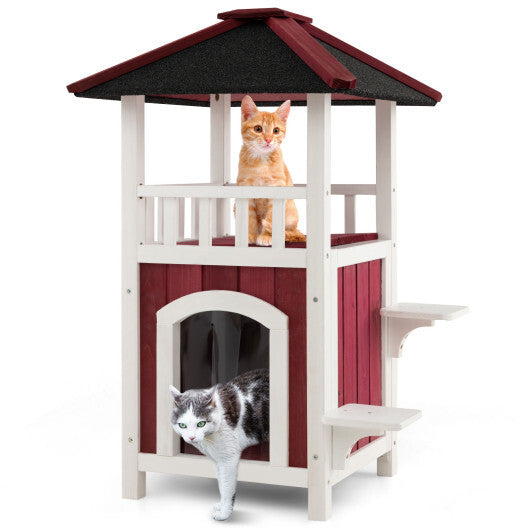
2-Story Wooden Cat House with Asphalt Roof Balcony and Rain Curtain-Red & White

49 Inch Elevated Cat Cave 4-Story Cat House for Multiple Cats, Beige

Cat Bed Side Table Wooden Cat Condo, Natural
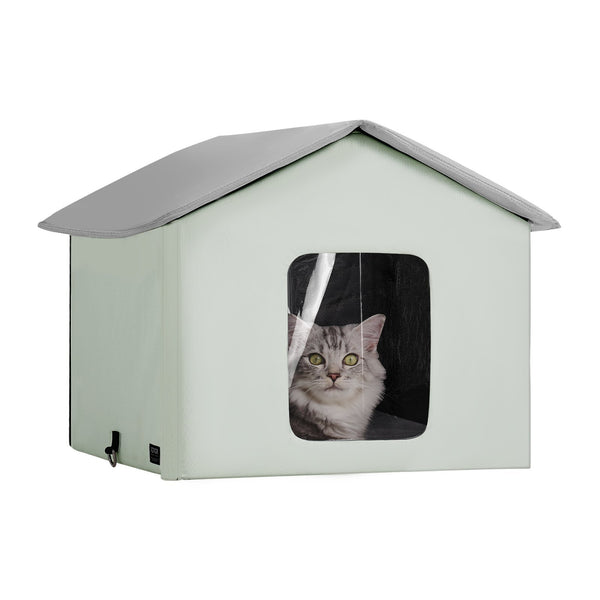
Heated Cat House, Outdoor Kitty Shelter
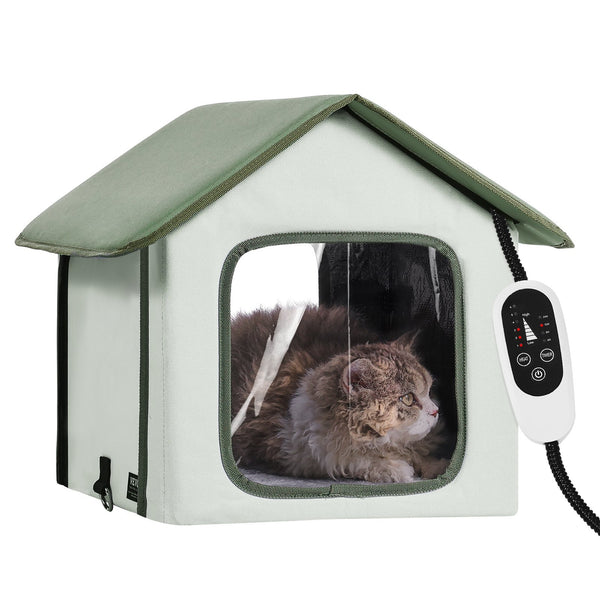
Elevated Heated Cat House Outdoor Kitty Shelter Timer, Green
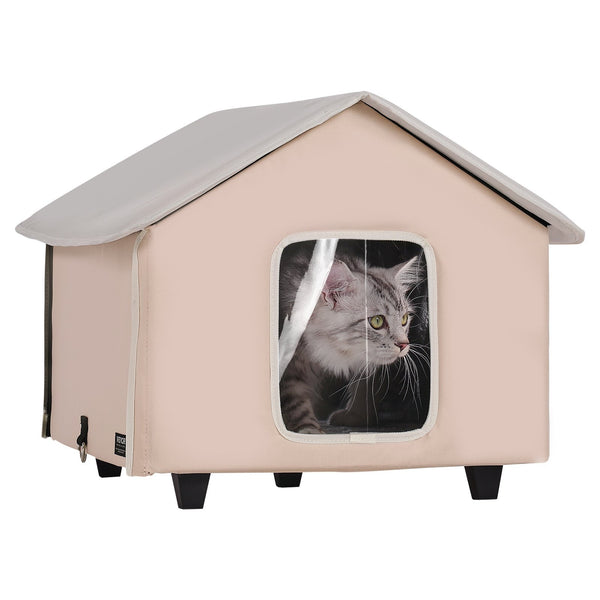
Elevated Heated Cat House Outdoor Kitty Shelter Timer, Brown
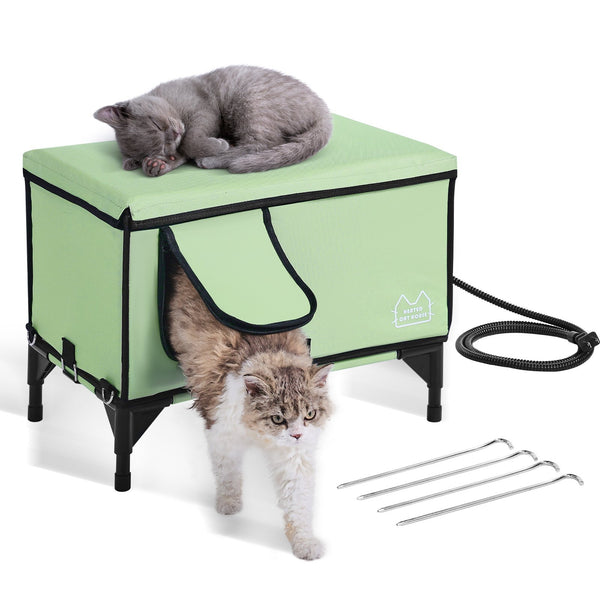
Elevated Heated Cat House Cuboid Kitty Shelter Adjustable, Large

Warm Cave Cat Bed, Enclosed Tent House

Wall Mounted Cat Shelves, Cat Wall Shelves
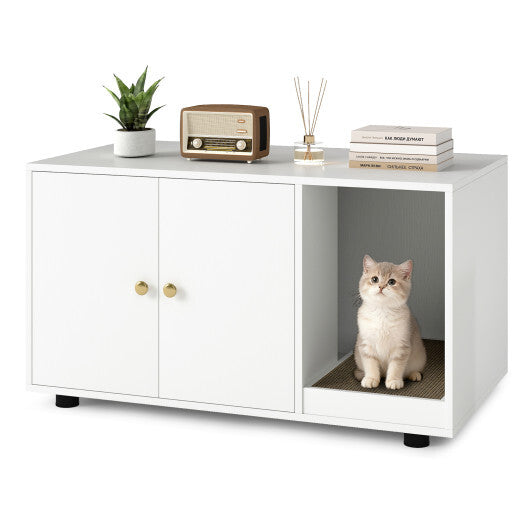
Wooden Cat Litter Box Enclosure Hidden Litter Box Furniture, White
Every Cat Wants
A Hideaway
Ours run from cozy indoor condos and caves to insulated outdoor and heated shelters, so every pet gets a den of their own.
Cats are ambush predators that also nap about 16 hours a day. A house gives them the one thing an open room can't: an enclosed, defensible spot to watch the world without being seen.
Give them four walls and a doorway and you won't see them for hours, in the best way.
From felt caves to weatherproof outdoor shelters, there's a hideaway for every kind of cat.
Built for shy indoor pets, busy multi-cat homes, and outdoor colonies alike.
A Good Hideaway Does Three Things
The den your cat actually uses nails three things. It feels enclosed, it stays warm, and it gives them a lookout on the room. Get those and they'll claim it in a day.
Which House For Which Cat
They all want different dens. Match it and they settle in fast.
Get Your Cat To Move In
If they're ignoring a new house, it just doesn't smell like theirs yet. Four quick moves fix that.
Cat House FAQs
What's the difference between a cat house, condo, and cave? +
A house is any enclosed shelter. A condo is taller, with multiple levels and cubbies for climbing and hiding. A cave is a soft, single covered nook, usually felt or wool, made for burrowing. Many pieces mix a couple of these.
Why do cats like enclosed spaces? +
Instinct. They're both predator and prey, so a covered spot with one entrance lets them watch the room while feeling safe from behind. Research shows a hiding place measurably lowers stress, which is why shy ones gravitate to boxes and closets.
Do outdoor cats really need a heated house? +
In a mild climate, a well-insulated, raised shelter with straw bedding is usually enough. Once temperatures drop below freezing for long stretches, a thermostatically heated house makes a real difference for strays, ferals, and seniors.
How do I insulate an outdoor cat house? +
Use straw, not blankets or hay. Straw stays dry and traps warmth, while blankets soak up moisture and freeze. Raise the house off the ground, keep the doorway small to hold heat, and face the opening away from the wind.
What size cat house do I need? +
Big enough to turn around and curl up, but not cavernous. For outdoor shelters especially, a snug interior holds body heat better than a large one. For multi-cat homes, go for a condo with separate rooms rather than one big open box.
Why won't my cat use their house? +
Usually placement or scent. Move it somewhere quiet where they already nap, rub a worn blanket inside, and don't force it. They accept a den on their own schedule, and most come around within a few days once it smells familiar.
Are heated cat houses safe? +
Quality ones are. Look for a thermostatically controlled pad that warms to a safe temperature and can't be manually cranked up, plus a chew-resistant cord. Two exits also matter, so they can never get trapped inside.
Best house for a shy or anxious cat? +
A soft enclosed cave or a covered condo with a single small entrance. The more it feels like a burrow, the safer a nervous one feels. Put it in a low-traffic corner and let them discover it themselves.
Can two cats share one house? +
Bonded pairs often will, but many prefer their own space. In a multi-cat home, a multi-room condo or a second shelter prevents squabbles, since it gives everyone a spot to retreat to without being cornered.
Also worth a look: our cat wall shelves for high-up hideaways and lookouts.
Helpful guides: why won't my cat sleep in their bed and why does my cat sleep on me.